31-day New Year decluttering challenge for a fresh start at home
The holidays are over, the last of the cookies are gone, and suddenly our homes feel a little too full.
Extra gifts tucked in corners, decorations still twinkling, and that pile of “stuff” on the kitchen counter that seems to grow overnight.
Sound familiar?
We’ve been there too.
This is why January is the perfect time to clear things out and make a little breathing room.
One because the holidays and all the busyness are over.
And a new year feels like a clean slate you can write anything on.
If you have been tired of carrying all the bad habits you have had for years again and again to the next year, don’t worry, you are not alone.
There are many of us in the same boat, fighting the same battles, with one or the other habit.
I mean, I have had many habits I have wanted to start or stop over the years. And setting intentions in the New Year has definitely helped me achieve many of them.
And if your struggle is the clutter at home, let me help you.
Here, I have come up with a 31-day New Year Challenge to declutter your entire home little by little, through bite-sized actions.
And no, we don’t need a whole weekend or a giant dumpster to do it.
This 31-day challenge needs just 10 or 20 minutes of your day.
We’ll work through one drawer, one shelf, or one little corner at a time.
By the end of the month, our homes will feel lighter, calmer, and so much easier to live in.
Let’s do this together, shall we?
How the challenge works
Every day comes with a simple task, a clear goal, and a little tip to make things easier.
Some days might take five minutes, and others might take a bit more.
So, here are a few friendly ground rules before we jump in:
- Set a timer for 10 or 20 minutes and stop when it rings. Really, stop.
- Progress beats perfection, every single time.
- Donate, sell, recycle, or toss what you no longer need.
- Hold off on buying cute storage bins until the decluttering is done.
- Tackle one small area at a time instead of pulling everything out at once.
- Skip or tweak any task that doesn’t fit your home. This is your challenge, after all.
Grab a donation box, a trash bag, and a notepad if you want to jot down ideas.
As you work through the challenge (or read through it ahead of time), you might notice that a few basic organizing items, such as baskets, bins, dividers, or drawer organizers, could come in handy.
Feel free to make a note of them and get them ready beforehand.
Or you can start decluttering first and purchase only what you need once you have a better idea of how you want to organize your space.
My tip: Don’t rush to buy organizing products just yet.
Declutter first, then organize. You might find that you need fewer items than you initially thought!
Short on time? Here is how to make the challenge work for you
I truly suggest showing up every day, even if it’s just for five minutes.
Small daily steps keep the momentum going, and decluttering slowly becomes a habit instead of a chore.
A quick five-minute session on a busy day still keeps you moving forward and makes it so much easier to come back tomorrow.
That said, life happens. Kids get sick, work gets busy, and some evenings the couch simply wins. But missing a day doesn’t mean the challenge is over.
Here are a few easy ways to keep going, no matter how your month looks.
If you miss a single day
Just pick up where you left off. There’s no need to do two tasks the next day unless you feel like it.
You can also fold the missed task into a lighter day later in the week, like pairing the junk drawer with the dining area.
If you miss a few days in a row
Skip the guilt and jump back in with today’s task.
Write the missed days on a sticky note and tackle them on a weekend or on Day 28, our catch-all day. You can also stretch the challenge into February. Finishing a little later still counts as finishing.
If you can’t declutter every day
Try the weekend plan.
Set aside 30 or 45 minutes on Saturday and Sunday and work through that week’s tasks in one or two sittings.
Each week is grouped by area, so the kitchen tasks, closet tasks, and storage tasks flow together nicely.
Another option is to choose three or four days a week that work best for your schedule and do one task on each.
The challenge simply becomes a two-month project instead of a one-month one, and that’s perfectly fine.
If you only have five minutes
Five minutes is still progress. Set a timer and clear one shelf, one corner of a drawer, or one small pile. Small wins add up, and you can always come back to finish the rest another day.
(I am a huge fan of tiny habits, by the way!)
Keep it flexible
Swap days around to fit your life.
If laundry day is Monday, that might be the perfect time to sort the linen closet.
If the kids are at a playdate, it’s a great window for the toy bins. Make the challenge work for your home and your calendar, not the other way around.
I hope you are ready now! I am as excited as you to present the challenge!
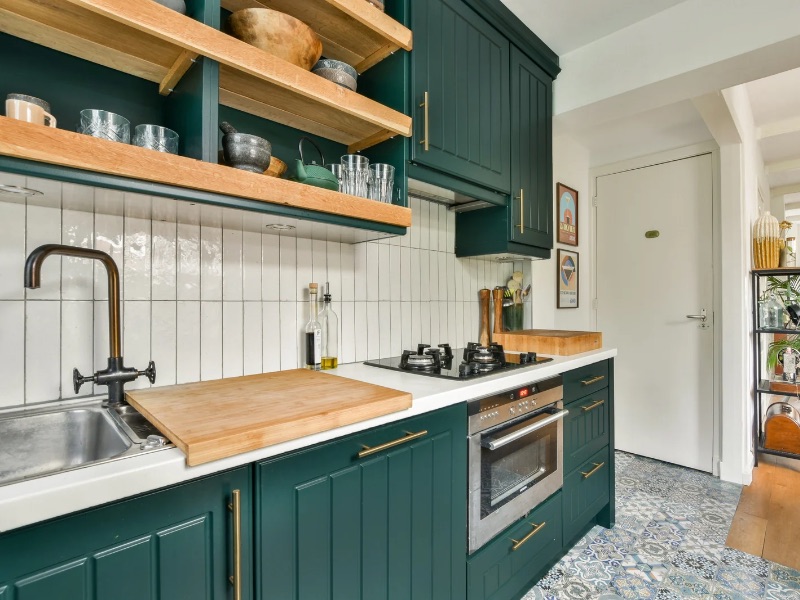
Week 1: Kitchen and everyday spaces
We’re starting where life happens most.
The kitchen is the heart of our homes, and when it feels clear, everything else seems a little easier.
These quick wins will definitely give you the motivation to keep going.
Day 1: Kitchen countertops
Today’s task: Clear off your kitchen counters.
Your goal: Keep only the things you use every day out in the open.
A little tip: Move everything off first, give the counter a good wipe, and then put back only what truly earns its spot.
That clean, shiny surface is the best kind of motivation for the days ahead.
Day 2: Junk drawer
Today’s task: Empty and sort the junk drawer.
Your goal: Turn it into a useful drawer with a clear purpose.
A little tip: Dried-up pens, mystery keys, and coupons from two years ago can go without a second thought.
A few small boxes or an inexpensive divider will keep the good stuff from sliding back into chaos.
Day 3: Refrigerator
Today’s task: Go through your fridge, one shelf at a time.
Your goal: Clear out expired food and make space for fresh groceries.
A little tip: Plan this for the night before trash day so nothing sits around. And don’t forget the door. Those condiment bottles love to hide out there for years.
If needed, invest in small baskets or organizing tools. I bought a set that fits the refrigerator door, and it has been truly worth it.
Day 4: Kitchen cabinets
Today’s task: Sort through your dishes, glasses, and mugs.
Your goal: Keep only the pieces your family actually reaches for.
Chipped or cracked pieces can go, and anything in good shape can be donated to a thrift store or shelter.
Extra plates and glasses you only use for guests or holidays can be packed in a labeled box and stored on a high shelf, in the garage, or in any other storage space in your home.
A little tip: Count how many mugs you own, then count how many get used in a typical week.
Day 5: Pantry
Today’s task: Check every shelf in the pantry.
Your goal: Remove expired items and group similar foods together.
Keep breakfast items like cereal, oats, and pancake mix in one spot, and canned goods like beans, soups, and tomatoes in another.
Pasta, rice, and grains can share a shelf, while baking supplies like flour, sugar, and sprinkles go together.
Snacks can live in a basket at kid height so little hands can grab them easily.
A little tip: Unexpired food your family won’t eat can go straight to a local food bank. Move older items to the front so they get used first.
Day 6: Kitchen utensils and gadgets
Today’s task: Go through your utensil drawers and gadget cabinets.
Your goal: Let go of duplicates and tools that never get used.
Pull everything out and keep one or two of each everyday tool, like spatulas, ladles, and measuring cups.
Gadgets that haven’t been touched in a year, broken tools, and anything with missing parts can go.
Items in good condition can be donated, and the ones you use only a few times a year, like a turkey baster or cookie cutters, can be stored in a labeled bin on a higher shelf.
A little tip: Keep your favorite spatula and wave goodbye to the other three. That fancy avocado slicer you used once? It’s time for it to find a new home.
Day 7: Holiday decor and dining area
Today’s task: Take down the holiday decorations and clear off the dining table.
Your goal: Pack away the decor you love, let go of the rest, and get your dining space ready for everyday meals again.
A little tip: Sort as you pack.
Broken ornaments, lights that won’t turn on, and decorations you didn’t bother putting up this year can all go.
Label each box by room or type, and next December’s decorating will feel quick and easy. I can guarantee that the future you will be so grateful.
Week 2: Clothes and personal belongings
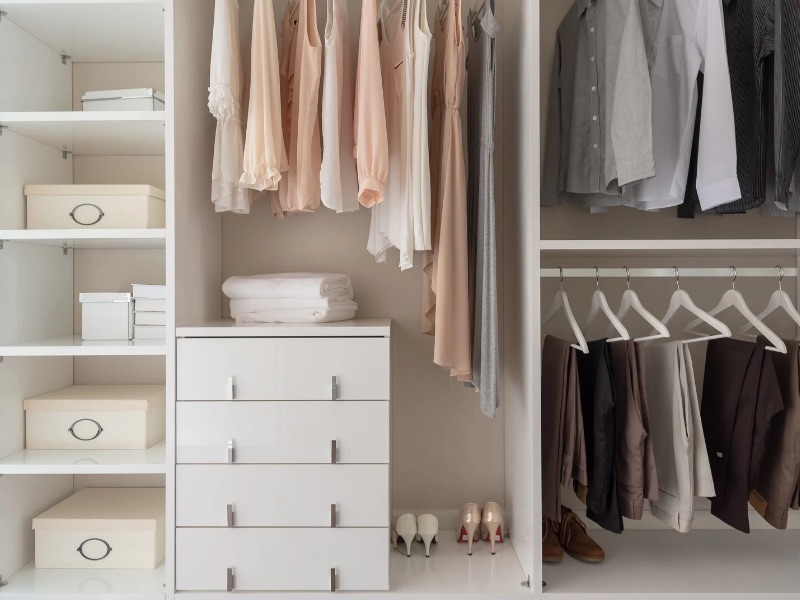
This week, we’re heading into our closets and drawers.
Clothes and personal things can feel a little emotional to sort through, so let’s be gentle with ourselves and keep it simple.
Day 8: Everyday clothes
Today’s task: Go through the clothes you wear most often.
Your goal: Keep the pieces you love and let go of anything that doesn’t fit or feel good.
Make three simple piles: keep, donate or sell, and toss.
Stained, ripped, or stretched-out clothes can be cut into cleaning rags or dropped at a textile recycling bin. Gently worn pieces can go to a thrift store, a local shelter, or a resale app.
A little tip: Hold up each item and ask yourself, ” Would I buy this again today?”
If the answer is no, it’s ready to go.
Related:
- How to let go of clothes you are emotionally attached to
- 50 Closet organization hacks that’ll change how you use space forever
Day 9: The rest of the closet
Today’s task: Sort through the clothes you don’t wear every day, like outerwear, party outfits, workout clothes, sleepwear, and seasonal pieces.
Your goal: Keep what fits your life right now and make room for the clothes you truly wear.
Coats and jackets you haven’t reached for in two winters can go to a coat drive. Fancy outfits that no longer fit or feel like you can be sold or donated.
Out-of-season clothes you still love can be folded into a labeled bin and stored under the bed or on a top closet shelf until the weather changes.
A little tip: Turn all your hangers backward today.
As you wear something, hang it back the right way. In a few months, the hangers still facing backward will show you exactly what you never wear.
Day 10: Shoes
Today’s task: Sort through all your shoes.
Your goal: Keep the comfy, wearable pairs and release the rest.
Shoes with worn-out soles, broken straps, or holes can go to a shoe recycling bin.
Pairs in good shape that you rarely wear can be donated or sold. Keep everyday shoes within easy reach and tuck seasonal pairs, like snow boots or sandals, into a labeled bin until you need them again.
A little tip: Shoes that pinch your toes aren’t worth the closet space, no matter how cute they are.
Worn-out pairs can often be dropped off at shoe recycling bins.
Day 11: Handbags, accessories, and jewelry
Today’s task: Go through your bags, scarves, belts, hats, and jewelry.
Your goal: Keep the bags you actually carry and the accessories you love wearing. Broken pieces, forgotten scarves, and bags that sit unused can be donated or tossed.
A little tip: Check every bag pocket before letting it go, since loose change and lip balms love to hide in there.
Match up your earrings as you sort, and repurpose any lonely singles into crafts or toss them.
Day 12: Undergarments and socks
Today’s task: Sort through underwear, bras, and socks.
Your goal: Remove anything stretched out, faded, holey, or uncomfortable.
A little tip: Give lonely socks one last week to find their match. Any sock still single by then heads to the rag bin.
Day 13: Bedroom drawers
Today’s task: Clear out your nightstands and dresser drawers.
Your goal: Make drawers easy to open, close, and find things in.
Empty one drawer at a time and sort everything into keep, donate, and toss. Old receipts, dead batteries, empty lotion bottles, and random odds and ends can go.
Anything that belongs in another room, like kitchen scissors or kids’ toys, gets returned to its proper spot.
Use small boxes or dividers to keep little items from rolling around.
A little tip: Nightstands are clutter magnets. Keep just your bedtime favorites, like a good book, a hand cream, and your phone charger.
Day 14: Skincare and makeup
Today’s task: Sort through makeup, skincare, and toiletries.
Your goal: Let go of expired, unused, or irritating products.
Pull everything out and check for changes in smell, color, or texture, since those are clear signs a product has gone bad.
Mascara and liquid eyeliner usually need replacing every few months, so those can go first.
Unopened products you won’t use can be gifted to a friend or donated to a women’s shelter.
Keep your daily favorites in a small basket or tray, and store backups together in one spot so you always know what you already have.
A little tip: Look for the little open-jar symbol on the label. It tells you how many months a product stays fresh after opening. Some of those dates might surprise you.
Week 3: Household spaces and storage
Now we’re tackling the spots that quietly collect clutter while we aren’t looking.
These areas usually hold the most stuff, so those short daily sessions really shine here.
Day 15: Bathroom cabinets
Today’s task: Clean out bathroom cabinets and under-sink storage.
Your goal: Keep daily essentials within easy reach and clear out the rest.
Empty one shelf at a time, wipe it down quickly, then put anything back.
Toss empty bottles, old razors, worn-out toothbrushes, and samples you’ll never use. Expired medicines shouldn’t go in the trash, so drop them at a pharmacy take-back point instead.
Keep toothpaste, face wash, and other daily items at the front, and group backups and first aid supplies in labeled baskets toward the back.
Under the sink, a small turntable or stackable bins can keep things from tipping over in that awkward space.
A little tip: Gather all the half-used bottles in one spot and finish them before opening anything new. It’s a small habit that saves money, too.
Day 16: Linen closet
Today’s task: Sort through towels, sheets, and blankets.
Your goal: Keep enough linens for your family, plus one set for guests.
A good rule of thumb is two sets of sheets per bed and two or three towels per person.
Pull out anything with stains, holes, thinning fabric, or sheets that no longer fit your mattresses.
Fold each sheet set and tuck it inside one of its matching pillowcases, so everything stays together and is easy to grab.
Spare blankets and heavy comforters can go in a labeled bin on the top shelf or under a bed until the colder months.
A little tip: Local animal shelters are always happy to take old towels and sheets. It feels so good knowing they’ll keep a furry friend warm.
Day 17: Cleaning supplies
Today’s task: Go through all your cleaning products.
Your goal: Remove empty bottles, duplicates, and products you never use.
Gather supplies from under the kitchen sink, the laundry area, and the bathroom so you can see everything together.
Toss empty or nearly empty bottles, dried-out sponges, and worn-out scrub brushes.
If you have three half-used bottles of the same cleaner, finish them one at a time instead of combining them, since mixing products can be unsafe.
Keep your everyday cleaners in a portable caddy you can carry room to room, and store backups together on one shelf.
A little tip: Keep cleaners up high or behind a childproof latch if little ones are around. Check your local guidelines for getting rid of harsh chemicals safely.
Day 18: Living room
Today’s task: Clear surfaces, shelves, and baskets in the living room.
Your goal: Create a relaxing space with less visual clutter.
Start with the coffee table and side tables, then move on to shelves and baskets.
Old magazines, dried-up candles, broken remotes, and things that belong in other rooms can all go. Keep only a few pieces on each surface, like a lamp, a plant, or a small tray to corral the remotes.
Throw blankets and pillows look cozier when there are just a few, so donate the extras or tuck them away in a basket.
Give kids’ toys and games a lidded bin so the room can reset quickly at the end of the day.
A little tip: Walk in like you’re a guest seeing it for the first time. The spot that catches your eye first is usually the best place to start.
Day 19: Entryway
Today’s task: Sort the coats, shoes, bags, and keys by your front door.
Your goal: Make coming and going feel calm instead of chaotic.
Clear everything off the floor, hooks, and nearby surfaces first.
Out-of-season coats, extra shoes, and bags that haven’t been used in weeks can move to a closet or storage bin.
Keep only what your family uses daily near the door. A small dish or wall hook for keys and a basket for gloves, hats, and sunglasses help everything stay in its place.
A little tip: Give each family member their own hook and basket. It makes such a difference on those rushed school mornings.
Day 20: Paperwork and documents
Today’s task: Go through mail, bills, and loose papers.
Your goal: Shred, recycle, or file the papers you no longer need.
Gather papers from the kitchen counter, desk, and drawers into one pile.
Junk mail, old flyers, and expired coupons can go straight into the recycling. Anything with personal details, like old bank statements or bills, should be shredded.
Keep a simple system with three folders: to do, to file, and important documents like birth certificates, insurance papers, and passports.
A little tip: Keep important documents together in one labeled folder. Switching to paperless billing is a simple way to stop that pile from growing back.
Day 21: Storage spaces
Today’s task: Pick one storage area, like the garage, basement, attic, or a hall closet.
Your goal: Let go of things you’ve forgotten about or no longer need.
Open each box and sort items into keep, donate or sell, and toss.
Broken items, empty boxes from old purchases, and things you’ve been “saving just in case” for years can go.
Keep similar items together, like holiday decor, sports gear, and keepsakes, and label every box clearly.
Heavier things belong on lower shelves, and items you rarely need can go up high.
Storage spaces usually hold a lot, so it’s completely okay if one area is all you get through today.
Jot down the remaining spots and plan to tackle one each weekend in February. You can also use Day 28, our catch-all day, to take on the next one on your list. Little by little, every corner gets its turn.
A little tip: If you didn’t remember owning it, chances are you won’t miss it. Stick to one shelf or one box per session so it never feels overwhelming.

Week 4: Family, digital, and miscellaneous clutter
We’re in the home stretch now.
This week is all about the clutter that sneaks in from every direction.
Toys, tangled cables, a camera roll full of screenshots. Let’s tackle it all.
Day 22: Children’s toys
Today’s task: Sort through your kids’ toys.
Your goal: Keep the favorites and remove anything broken, outgrown, or ignored.
Toys with missing pieces, dried-out play dough, and broken crayons can be tossed.
Gently used toys can be donated to a children’s charity, a daycare, or a friend with younger kids.
Group what’s left by type, like cars, dolls, blocks, and puzzles, and give each group its own bin with a picture label so little ones can help clean up.
A little tip: Invite your kids to help pick toys to donate. Talking about another child playing with them makes letting go feel kind and exciting instead of sad.
Day 23: Children’s books and school supplies
Today’s task: Go through books, art supplies, and school things.
Your goal: Keep what your kids use and enjoy right now.
Books they’ve outgrown can be donated to a library, school, or community book box.
Torn or water-damaged books can go to recycling. Gather school supplies from around the house and sort them into one spot, keeping a small stash of pencils, erasers, and notebooks ready for homework time.
Old worksheets and papers from past school years can be recycled.
A little tip: Test markers and pens as you go. And keep one special box for treasured artwork and school memories, because some things are simply too sweet to part with, right?
Day 24: Home decor
Today’s task: Take a fresh look at the decor around your home.
Your goal: Keep the pieces that bring you joy and feel right for your home today.
Walk through each room and gather decor items you no longer love, like faded frames, dusty fake flowers, and knick-knacks that don’t match your style anymore.
These can be donated or sold. Keep a few meaningful pieces on display and store sentimental items you aren’t ready to part with in a labeled box.
A little tip: Fewer decor pieces let your favorites shine. Try moving a few items to a different room before deciding to let them go.
Sometimes a fresh spot makes an old piece feel new again.
Day 25: Old electronics and cables
Today’s task: Gather up old gadgets, chargers, and cords.
Your goal: Let go of electronics and cables you no longer use.
Check drawers, closets, and boxes for old phones, broken headphones, outdated chargers, and mystery cables.
Test anything you’re unsure about, and if a cable doesn’t match a device you own, it can go.
Keep the cords you need coiled and tied with a twist tie or Velcro strap, and store them together in one labeled bin or drawer.
A little tip: Label the cords you keep with a little piece of tape so you never have to play the guessing game again.
Wipe your personal data from old devices before recycling them at an e-waste center.
Day 26: Phone and digital clutter
Today’s task: Give your phone a good clean-up.
Your goal: Delete unused apps, blurry photos, and old screenshots.
Scroll through your apps and remove anything you haven’t opened in a month.
Clear out duplicate photos, random screenshots, and old videos, and back up the memories you want to keep to cloud storage or a computer.
Unsubscribe from emails you never read, and organize your home screen so only the apps you use most are on the first page.
A little tip: While you’re at it, turn off notifications you don’t need. Your phone will run better and your mind will feel a little quieter too.
Day 27: Computer files and desktop
Today’s task: Tidy up your computer desktop and downloads folder.
Your goal: Delete or organize files so everything is easy to find.
Start with the downloads folder, since it usually holds the most forgotten files.
Delete old installers, duplicate files, and documents you no longer need.
Move everything else off the desktop into a few clear folders, and give files simple names you’ll recognize later.
Empty the trash or recycle bin once you’re done.
A little tip: Back up anything important before you start deleting.
Day 28: Miscellaneous household items
Today’s task: Choose any area you haven’t touched yet.
Your goal: Clear out the leftover clutter around the house.
This could be the laundry room, a craft corner, the car, or that one shelf you have been avoiding.
Sort items into keep, donate, and toss, just like the days before.
Anything that doesn’t have a clear purpose or a regular use can go. This is your catch-all day, so focus on the spot that bothers you most.
A little tip: Grab a laundry basket and walk through each room, collecting anything that doesn’t belong there.
Then return each item to its proper spot. It’s oddly satisfying.

Final 3 days: Maintain your clutter-free home
We made it to the last few days! I hope you are here with me.
These final steps help us hold on to all our hard work, so the clutter doesn’t sneak right back in come February.
Day 29: Gather items to donate or sell
Today’s task: Bring all your donation and resale items together in one place.
Your goal: Get these things out of your home for good. Get these things out of your home for good.
Sort everything into two groups: donate and sell.
Check local donation centers for what they accept, since some don’t take certain items like car seats or mattresses.
For things you plan to sell, snap photos in good light and list them on a resale app or local marketplace group.
Kids’ clothes and toys can also be passed along to friends and family.
A little tip: Put donation bags straight into the car trunk so they don’t wander back inside.
Give yourself a deadline for anything you plan to sell, and donate whatever hasn’t sold by then.
Let me say this one more time: Giving yourself a deadline is really important!
Day 30: Find a home for everything that remains
Today’s task: Give every remaining item its own clear spot.
Your goal: Create simple systems that make tidying feel easy.
Walk through each room and look for items that still don’t have a set place.
Group similar things together and store them close to where they’re used, like batteries near the junk drawer or wrapping paper with gift bags.
Add simple labels to bins, shelves, and drawers so everyone in the family knows where things go.
A little tip: Store things where you actually use them.
Now is the perfect moment to pick up any storage bins you truly need, since you know exactly what you’re keeping.
Day 31: Final whole-home reset
Today’s task: Take a slow walk through your whole house.
Your goal: Reset each room and celebrate how far you’ve come.
Put away anything that has crept back out of place, clear the surfaces, and give each room a quick tidy.
Notice which areas stayed clutter-free and which ones need a little extra attention going forward.
Make a short list of simple habits to keep things this way, like a weekly paper sort or a monthly donation bag.
A little tip: Start a simple 10-minute evening tidy as a family habit.
Now, pour yourself something warm, sit down, pat yourself on the back, and soak in your calmer, lighter home. You truly earned it.
A fresh start, one small step at a time
As you can see, decluttering doesn’t have to be a huge, exhausting project.
A few minutes a day, done again and again, adds up to a home that feels open, peaceful, and so much easier to care for.
Missed a day or two?
Please don’t stress. Just pick up where you left off or double up on a slow weekend.
We’re aiming for a home that works for you and your family, not a perfect checklist.
Here’s to a lighter, cozier, and happier new year at home.
More posts on Declutter:
- How to Stop Hoarding Clothes (A Step-by-Step Plan to Declutter Your Wardrobe)
- 10 daily decluttering habits of people who have tidy homes
- 36 ten-minute decluttering tasks to organize your home easily
- 63 Things sitting in your closet that you can declutter today
- How to Declutter When You’re a Hoarder (and Don’t Know Where to Start)
- The Only 5 Decluttering Questions You’ll Ever Need (Free PDF)
- How to Declutter when You Are Stuck and Overwhelmed with Clutter
- How to stop accumulating clutter before it starts
- 17 common decluttering mistakes you don’t know you’re making (&how to avoid them)
- 100+ things to declutter from your home right now