How to Stop Overbuying Clothes & Build a Closet You’ll Actually Wear
You open your closet and sigh.
So many clothes, yet nothing feels right.
There are outfits you bought because they looked good on someone else, dresses that still have their tags, and jeans you keep for “someday.”
And every time you stand there, you feel the same quiet frustration – how can I own so much and still feel like I have nothing to wear?
Many of us have been here, and if that’s you, take a deep breath.
You’re not the problem. The way you’ve been buying, storing, and relating to your clothes is.
Building a closet you’ll actually wear isn’t about strict minimalism or capsule wardrobes that limit joy.
It’s about creating a collection that truly supports your life – one that feels calm, functional, and deeply personal.
Building a closet you love isn’t just about style. It’s about identity, confidence, and peace of mind.
If you feel stuck with a closet that doesn’t spark joy, don’t worry!
Let’s rebuild your wardrobe together – gently, intentionally, and in a way that feels like you.
Before You Begin: Set the Right Mindset
Before you pull out a single hanger, remind yourself: this is not a punishment. You’re not starting over because you failed at fashion or because you’re wasteful. You’re simply ready for change.
Think of it as hitting the reset button – a chance to realign your outer world with who you’ve become.
When you approach this process with curiosity rather than judgment, it stops being a chore. It becomes a form of self-discovery.
So, shall we start?
1. Start with an Honest Closet Reset
The best way to see what’s really in your closet is to take it all out.
Yes – every single thing.
Spread it across your bed or floor. It’ll look chaotic at first, but that’s okay.
You can’t build clarity without facing the mess.
Hold each item in your hands and ask:
- Does this fit me comfortably right now?
- Do I genuinely enjoy wearing this?
- Does it match the rhythm of my current life?
If the answer is no, it’s not failure – it’s information. It’s a sign that your life and your clothes have drifted apart, and that’s perfectly normal.
Separate what feels right from what doesn’t.
Keep only what fits and supports your life as it is now, not the life you used to live or the one you hope for later.
And let me assure you, as you do this, you’ll feel space opening up – in your closet and in your mind.
2. Recognize Your Closet Patterns
After your reset, take a moment to really see what’s left.
You’ll probably notice some patterns:
Perhaps you continue to buy similar colors, silhouettes, or materials.
Maybe you’ve got ten nearly identical white blouses or five pairs of jeans that all pinch in the same place.
These patterns reveal how you shop – and sometimes, how you think.
We often repeat purchases because we’re searching for something emotional, not practical. We chase the feeling of “new” rather than what we truly need.
Recognizing your patterns is the first step to changing them. It helps you stop wasting money and start buying in alignment with your actual style.
3. Why We Overbuy in the First Place
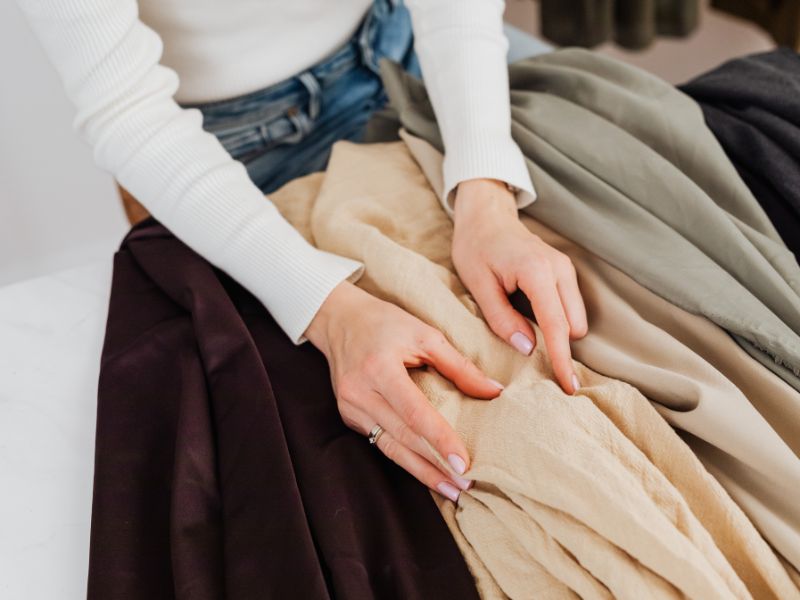
It’s easy to tell ourselves we just “like clothes,” but most overbuying is emotional.
Maybe you shop when you’re anxious, or you chase sales because it feels like saving money. Maybe you buy trendy pieces because you don’t trust your taste, or because you’re afraid of missing out.
We also buy for identity. Clothes can make us feel like someone else – more confident, more interesting, more deserving.
But the truth is, no outfit can fix what’s emotional. That quick dopamine rush fades fast, leaving behind clutter and regret.
Understanding why you buy is the key to mindful change.
Once you see the pattern, you can pause the next time temptation hits – and ask yourself what you’re really trying to feel.
4. Let Go of “Someday” Clothes
I am sure every closet has them – the “someday” jeans, the too-fancy heels, the dress for an event that hasn’t happened.
They sit there, quietly making you feel like you’re behind on your own life.
Those clothes might once have symbolized hope, but now they hold you back. They remind you of a body you don’t have, a life you’re not living, and expectations that no longer serve you.
Now that you have emptied your closet, it’s time to let go.
Letting go is emotional and not at all easy, especially when you haven’t achieved those goals, but it’s also freeing.
If it helps, fold each item and say: Thank you for who I thought I’d be. I’m ready to dress for who I am now.

5. Define the Life You’re Dressing For
This is where your clarity deepens.
Think about your real, daily routine.
- Do you work from home, attend meetings, run errands, or spend time outdoors?
- Do you go out often, or are most of your days spent in comfort mode?
Your wardrobe should reflect your real schedule – not a fantasy one.
Many of us keep closets full of “old selves”: office wardrobes we no longer need, party outfits for social lives we don’t have time for, or piles of gym wear we never use.
When you dress for your actual life, not your imagined one, your wardrobe finally becomes useful.
To make this practical, write down three typical days of your week. Then note what you actually wear on those days. That’s your true lifestyle base – the foundation to build around.
6. Identify What You Actually Love
Now comes the fun part – discovering your real style.
Pull out your favorite pieces, the ones you always reach for. Lay them out together and notice the details.
Is there a common color theme?
Maybe soft neutrals, earthy tones, or gentle pastels?
Are you drawn to loose, comfortable fits or clean, structured shapes?
These clues are your personal style signature.
When you know what you truly love, shopping becomes easier – you stop being swayed by trends or influencers and start curating a wardrobe that feels consistent and authentic.
7. Create a Vision for Your Ideal Wardrobe
Now that you’ve identified what you love, imagine how your ideal closet looks and feels.
Think beyond “a few outfits.” Visualize the atmosphere.
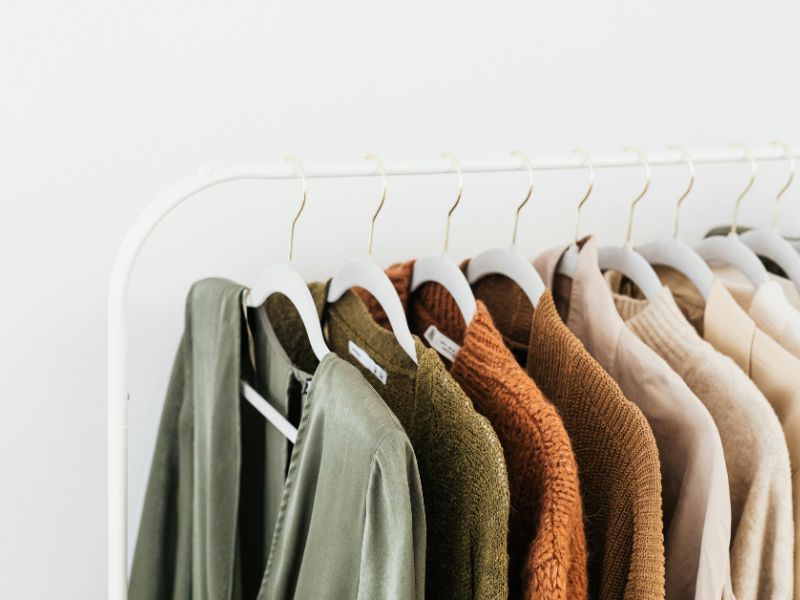
Maybe it’s calm and neutral, filled with timeless pieces that mix easily.
Or maybe it’s expressive – with color, flow, and texture that mirror your personality.
This vision becomes your roadmap.
If you’re visual, make a Pinterest board.
Save outfits that make you think Yes, that’s me. Over time, a pattern will emerge.
When you shop again, compare new pieces to that vision. If they don’t fit the mood or lifestyle you’re building, leave them.
Remember, your aim is to build a functional and long-lasting closet, more than a trendy one.
8. Find Your Signature Colors
Color is powerful. It shapes how we feel and how others perceive us.
Start noticing which colors you naturally reach for – the shades that make your skin glow or your mood lift.
These are your base tones. Keep them as the foundation.
Then, choose two or three accent colors that bring energy or playfulness to your wardrobe – maybe a coral, olive, or denim blue.
When you stick to a cohesive palette, mixing and matching becomes effortless.
You’ll start creating outfits without overthinking because everything works together.
9. Focus on Fit, Fabric, and Function
A closet you’ll actually wear is built on three things:
Fit: Clothes should fit the body you have now. If it feels restrictive, rides up, or needs adjusting, you won’t wear it often. Get your favorite items tailored – a small tweak can make a big difference.
Fabric: Pay attention to how fabrics feel on your skin. Natural materials like cotton, linen, or modal are breathable and age beautifully. When your clothes feel good, you automatically wear them more. And never underestimate how texture affects your mood. Soft, cozy fabrics soothe you; crisp ones energize you.
Function: Choose pieces that match your life, not fantasy scenarios. If you spend 80% of your time at home or running errands, you need stylish basics you can move in – not ten party dresses waiting for invitations.
Fit, fabric, and function are the holy trinity of clothes you’ll actually wear.
10. Build Smart Foundations
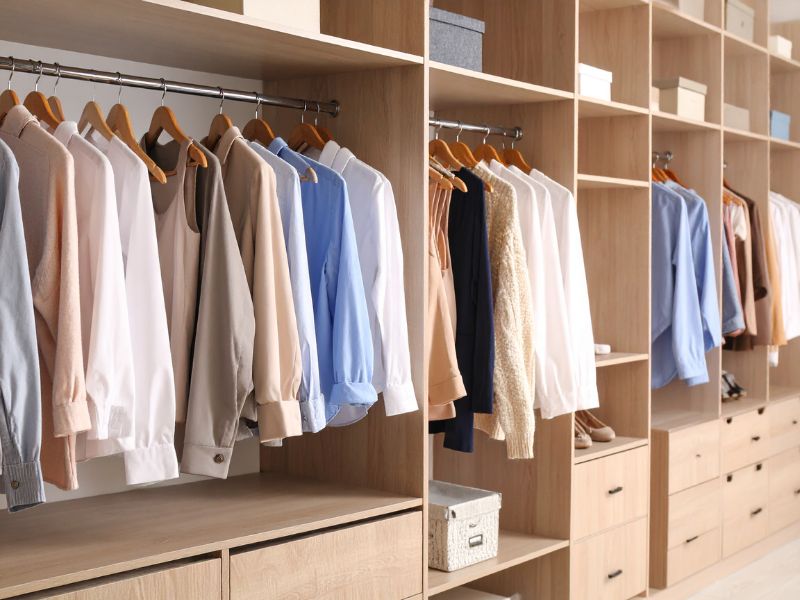
Your wardrobe’s backbone should be versatile, mix-and-match pieces that form the base of countless outfits.
Start with:
- A well-fitting pair of jeans that you love to wear.
- Basic tops in your favorite neutral shades.
- A versatile dress you can layer.
- A light jacket or cardigan that suits multiple seasons.
- Comfortable shoes you can walk in all day.
These aren’t filler pieces – they’re freedom pieces. They make getting dressed easy and remove the decision fatigue that clutters your mornings.
When these foundations are right, you’ll realize you don’t need 200 pieces – you just need the right 20 or 30.
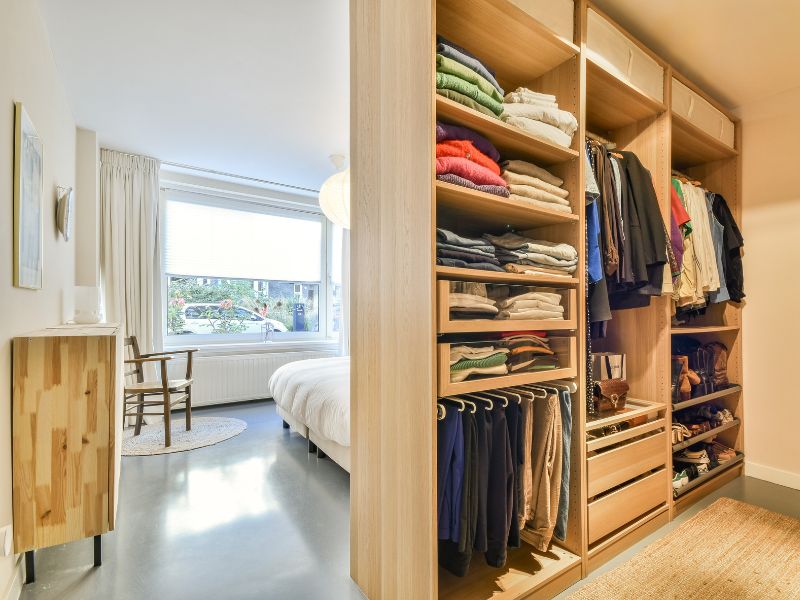
11. Curate Instead of Collect
Instead of adding to your closet endlessly, think like a curator.
Ask: What do I want my wardrobe to say about me?
A curator chooses carefully, with purpose.
They don’t fill every space, they don’t rush to every sale – they highlight what matters.
You can do the same. When you shop, ask:
- Does this piece enhance what I already own?
- Will it last beyond one season?
- Can I imagine wearing it at least 20 times?
Those small questions keep you grounded in intention.
12. Build Slowly and Intentionally
Once you know your style and lifestyle, start rebuilding – but do it slowly.
You don’t have to fix everything in one weekend.
Try living with less for a month. You’ll naturally discover what you actually miss. Maybe you need a good pair of everyday shoes or a few well-fitting tops.
Each purchase should fill a gap, not just a craving.
Ask yourself before buying:
- Would I still want this if it weren’t on sale?
- Can I wear it with at least three things I already own?
- Does it feel like me?
If not, it’s not worth it.
Building slowly gives you space to choose well – and fall in love with your clothes again.
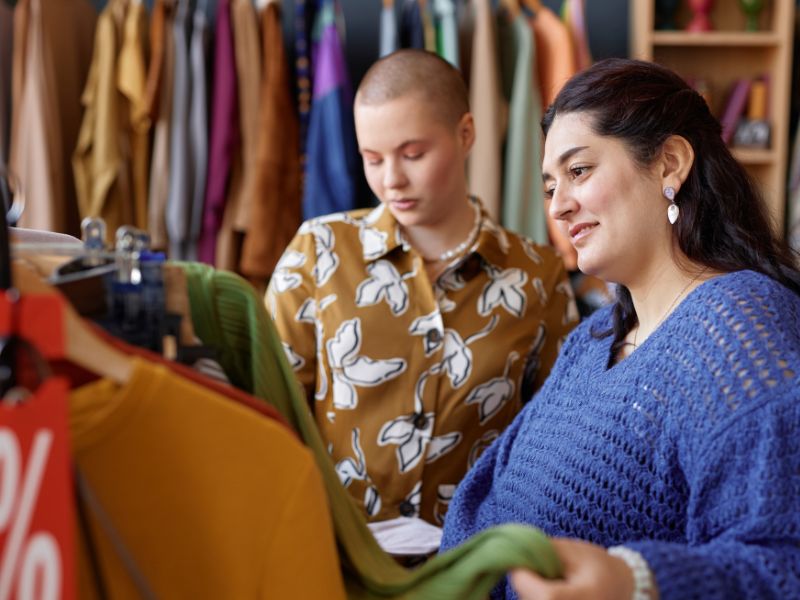
13. Shop Mindfully, Not Emotionally
Mindful shopping means buying with awareness, not impulse.
Give yourself a 48-hour pause rule. If you still love the idea after two days, revisit it. Often, the urge passes.
Keep a “wish list” note on your phone with things you think you need. Review it monthly before buying anything. Half of it will no longer feel necessary.
Ask yourself:
Am I buying this because I need it – or because I want to feel something?
The more honest you are, the lighter your closet will stay.
14. Create Outfit Formulas That Work
Once your wardrobe feels cohesive, start finding outfit formulas that make dressing effortless.
Think of outfit formulas as your personal shortcuts – combinations that always work.
Maybe you love:
- Jeans + button-down + flats
- Linen pants + tank top + cardigan
- Dress + sneakers + tote
- Midi dress + cardigan + sneakers
- Linen pants + tucked tee + slides
Repeat your favorites proudly.
You can create seasonal versions too – lighter fabrics for summer, cozy layers for winter.
Outfit formulas give you freedom because they take the guesswork out of mornings.
And they make shopping easier too – you instantly know which pieces support your style.
Keep a few photos of these outfits on your phone. On rushed mornings, they’ll save you time and energy.
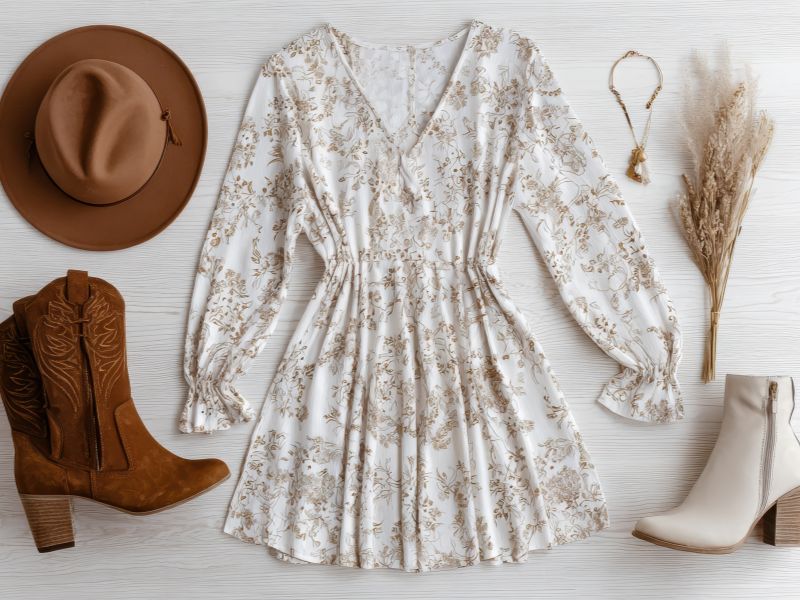
15. Bring Back the Joy
A functional wardrobe shouldn’t feel strict or sterile. It should make you smile.
Bring joy back into your outfits by adding pieces that feel playful – a printed scarf, a pop of color, or jewelry that carries a story.
Joy doesn’t have to mean bold. Sometimes, it’s the softness of a well-worn tee, the perfect drape of linen pants, or the calm of a color that feels like you.
When you start dressing with small joys in mind, your clothes stop being chores and start feeling like companions.
16. Learn the Art of Styling What You Own
Before you buy anything new, challenge yourself to style what you already have differently.
Tuck, tie, layer, belt – experiment.
Pair casual with dressy. Mix textures. Roll up sleeves. Sometimes, a small tweak makes an old piece feel brand new.
Try layering a dress differently or pairing unexpected textures.
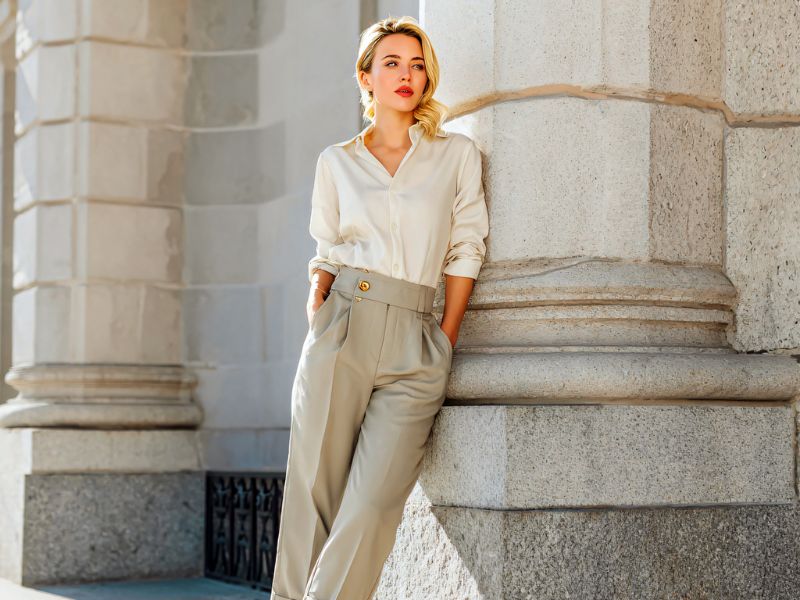
If you’re unsure how to style something, search Pinterest using that exact item (for example, “beige linen pants outfit”).
You’ll discover endless combinations without spending a dollar.
17. Add a Seasonal Refresh Routine
At the start of each season, spend a quiet hour checking your wardrobe:
- Does everything still fit and flatter?
- What did you not wear at all last season – and why?
- Are there gaps that need filling (like lighter fabrics for summer or layering pieces for winter)?
This gentle rhythm helps you stay intentional all year instead of waiting for a big overhaul.
18. Stop Shopping for a Feeling
We all shop for emotions sometimes.
You’re tired after a long week, and an ad pops up promising confidence in the form of a new outfit. You click “add to cart,” hoping for magic.
But once the novelty wears off, the guilt sets in – another thing you didn’t need.
The next time the urge hits, pause and ask: what am I really craving right now?
If it’s comfort, take a warm shower or put on your softest sweater.
If it’s inspiration, rearrange your wardrobe or style an outfit you haven’t worn in a while.
Shopping can’t fix your feelings – but mindfulness can.

19. Embrace Repetition
Repeat the outfits you love. There is no shame in that, and attaching shame to it can turn into a dangerous mindset.
The idea that wearing the same thing twice is boring is nonsense. Repetition is the foundation of real style.
When you find what works, let it become your signature. It’s not laziness – it’s confidence.
And ironically, people start to associate you with effortless style because consistency reads as intention.
20. Heal Your Relationship With Clothes
Your wardrobe holds years of emotion – memories, insecurities, hopes.
Maybe you’ve kept a dress from your early twenties because it reminds you of freedom, or an expensive jacket because you feel guilty letting it go.
But part of healing is understanding that memories live in you, not in fabric.
Forgive yourself for money wasted, for trends chased, for weight gained or lost.
When you let go with grace, you make room for joy again.

21. Stay Connected to Your Closet
Your wardrobe is not a one-time project – it’s an ongoing relationship.
Do a mini check-in every month.
Notice what you’ve worn often and what’s collecting dust.
You can even snap photos of your favorite outfits – it’ll help you see patterns in what truly makes you feel good.
If something doesn’t feel right anymore, move it out quickly before clutter builds again.
Try the “one in, one out” rule – for every new item that comes in, something else leaves.
Think of your wardrobe as a living system. It doesn’t have to be perfect – it just needs to stay intentional.
A five-minute tidy here and there keeps your space alive and functional. You’ll never reach that point of overwhelm again.
22. Think Sustainability, Not Scarcity
When you buy less but better, you’re naturally being more sustainable.
You don’t need to overhaul your life to make a difference.
- Repair small tears instead of tossing things out.
- Swap clothes with friends or siblings.
- Thrift intentionally.
- Rent special-occasion outfits instead of buying them.
These small acts create pride and connection – you start seeing clothes as something to care for, not consume.
And your wardrobe begins to reflect your values, not just your taste.

23. Dress for the Body You Have Now
Stop waiting for a “goal weight” or “better season” to dress well.
The body you live in now deserves clothes that fit comfortably and beautifully.
When you dress your current body with care, you show yourself respect. You move differently. You stop hiding.
Remember, clothes are not rewards – they’re tools for confidence. Use them now.
24. Reconnect With Gratitude
At the end of this process, pause and take it in.
Look at your closet – the space, the calm, the sense of ease.
Everything hanging there has earned its place. Every piece supports you.
Gratitude turns your wardrobe from a to-do list into a reflection of joy. It reminds you that you already have enough – maybe more than enough.
And that feeling? That’s the goal.

25. Teach Your Closet Habits to Your Family
A mindful closet mindset can spread through the home.
Encourage your partner, friends, or kids to go through their wardrobes the same way – keeping what they love and letting go of what they’ve outgrown.
It turns decluttering into connection and teaches everyone to value what they own. You’ll find your mornings calmer, your laundry lighter, and your home more peaceful.
Final Thoughts
Building a closet you’ll actually wear is more than organizing fabric – it’s rebuilding trust with yourself.
In short, it’s learning to listen to your needs instead of trends.
It’s slowing down, buying mindfully, and letting your clothes tell the truth of your life as it is now.
You don’t need more. You just need to connect deeper.
When rebuilding your closet, your goal is to make it a reflection of who you are.
Like,
You open the closet.
You reach for what feels right.
And for the first time in years, you smile – because everything in there fits not just your body, but your life.
I hope you will be able to feel the above after implementing the steps written in this blog post. Let me know the results in the comments below.
More posts on declutter and organization:
- How to stop hoarding clothes (A step-by-step plan to declutter your wardrobe)
- 50 Closet organization hacks that’ll change how you use space forever
- How to declutter when you are stuck and overwhelmed with clutter
- How to stop accumulating clutter before it starts
- 17 common decluttering mistakes you don’t know you’re making (&how to avoid them)
- 100+ things to declutter from your home right now
- 10 daily decluttering habits of people who have tidy homes


I read this Pinterest post with great interest.I am currently back home after a hospital stay and slowly getting round to reorganising my wardrobe.Mostly for something to do, but also because I need a refresh to help me be positive,and recover quicker.The ideas listed are really helpful and positive.Many thanks for giving me the push I need to reorganise my wardrobe and aid my recovery.
Regards Gloria
Thank you for your lovely words, Gloria! I’m so happy it helped. Sometimes refreshing your closet can feel like a fresh start for the mind too. Wishing you a speedy recovery. Take it one small step at a time.
By far the best advice on closet decluttering I’ve read to date.
It’s so easy to part with clothing which doesn’t fit or is soiled. To choose pieces based off of a soul reflection, instead of a mirror reflection, that kind of mindfulness only comes from a true stylist. This post nails it! Right up there on the Pinterest board, duly for the fact that one’s clothing is an expression of one’s personality; colours , texture, structure, balanced proportions, comfort, practicality…ticked all the boxes.
Thank you so much for this thoughtful comment, Amanda! It means a lot to hear that the post resonated with you on a deeper level.
Thank you for this great information! There are a few points that really stood out to me at this point in my life and my decluttering process.
I am so happy to hear that, Melissa:) Thanks for your comment!
This has got to be the best article I have ever read!!
I am truly looking forward to this process.
I struggle though with all these beautiful and expensive items and don’t know what to do with them.
I would love to sell but have never done that before and the sell sites seem so intimidating.
Thank you, Casie, for the comment! I am glad to know you liked the article.
I would suggest you start slowly. It’s intimidating because you might be looking at a lot of clothes at once. Try to sell one outfit as a starter, and take it from there.
Totally agree